

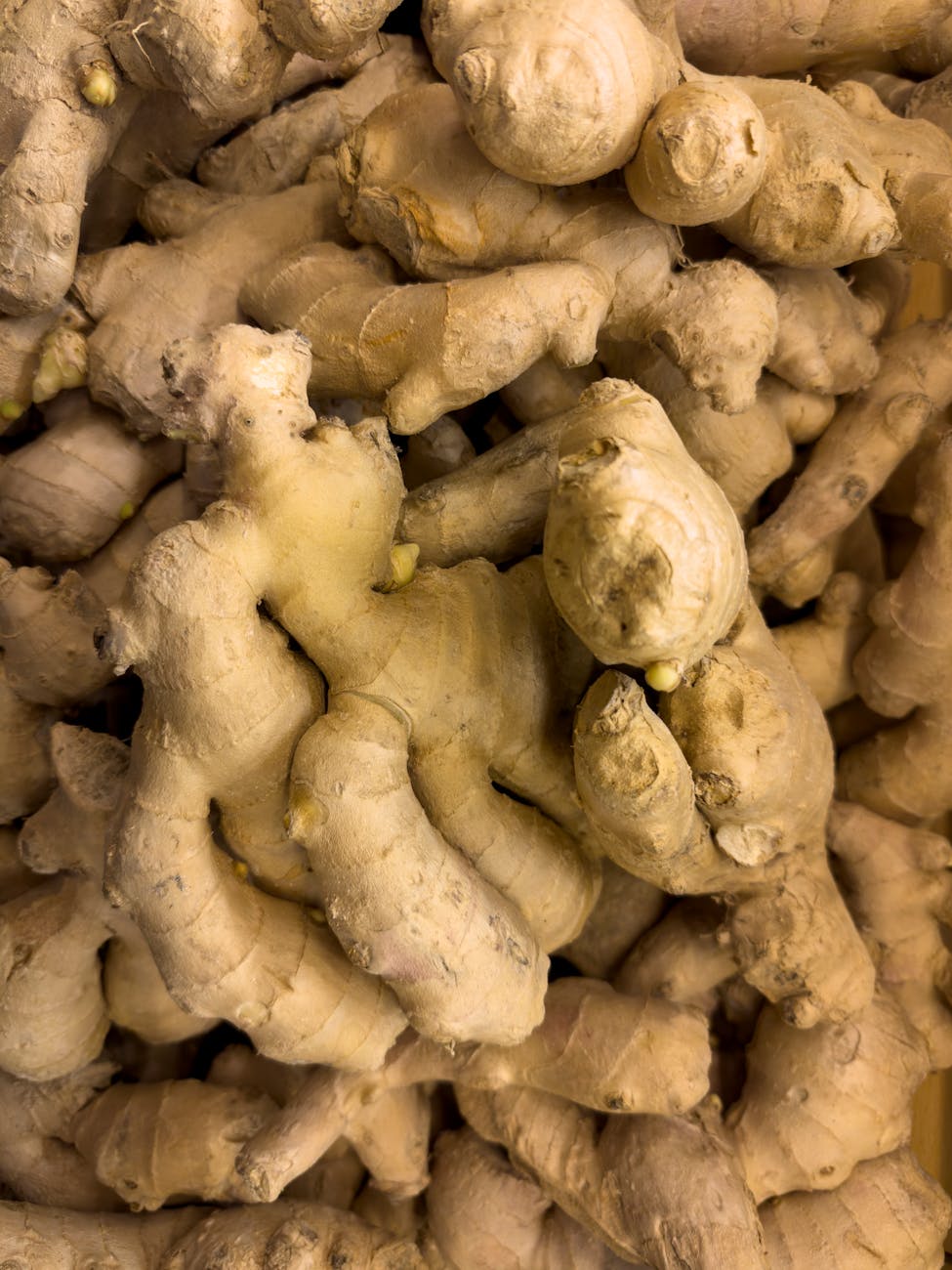
The Science of Ginger: A Natural Powerhouse for Modern Wellness
Ginger has been a cornerstone of traditional medicine for centuries, but modern science is finally catching up to why this root is so effective. It isn’t just a flavor enhancer; it is a bioactive tool that addresses several of the most common health challenges we face today—from chronic inflammation to digestive distress.
1. Cooling Chronic Inflammation
Inflammation is the body’s natural defense against injury or infection. However, when it becomes chronic, it acts as a silent driver for serious conditions like arthritis and heart disease. Ginger contains potent compounds called gingerols and shogaols. These act as internal “coolants” by inhibiting the production of pro-inflammatory cytokines, helping to keep the body’s immune response in a healthy balance [1].
2. Natural Relief for Nausea and Pain
One of ginger’s most celebrated benefits is its ability to soothe the digestive system. It effectively blocks the chemical signals in the brain that trigger nausea, making it a reliable remedy for motion sickness and post-treatment recovery [2].
Beyond digestion, those same gingerols offer analgesic (pain-relieving) effects. Studies show that regular ginger consumption can be effective for managing exercise-induced muscle soreness and joint pain [3].
3. Strengthening the Foundations: Immunity and Brain Health
Ginger supports the body’s long-term resilience through:
- Immune Support: Rich in sesquiterpenes, ginger provides antimicrobial properties that help the body fend off common viruses [4].
- Cardiovascular Care: By assisting the liver in regulating cholesterol production, ginger helps maintain clearer pathways for heart health [5].
- Cognitive Protection: Its neuroprotective properties help shield brain cells from oxidative stress, a key factor in maintaining memory and focus as we age [6].
4. Maximizing Your Digestion
Effective digestion is the bedrock of energy. Ginger stimulates the production of vital digestive enzymes, which ensures that the food you eat is broken down and absorbed efficiently. This reduces the likelihood of uncomfortable bloating, gas, and sluggishness after meals [2].
Integration and Safety
Whether used fresh in a smoothie, steeped as a potent tea, or taken in a concentrated supplement, ginger is highly adaptable.
A note of caution: because ginger can have natural blood-thinning properties, it is important to consult with a healthcare professional if you are currently taking anticoagulants or other specific medications.
References
[1] Anti-Inflammatory and Antioxidant Activities of Ginger – IntechOpen
[2] The Effectiveness of Ginger in the Prevention of Nausea and Vomiting – PMC
[3] Clinical Trials on Pain Lowering Effect of Ginger: A Narrative Review – PMC
[4] Ginger for Colds: How to Use Ginger for a Sore Throat – Medical News Today
[5] Plasma Cholesterol-Lowering Activity of Gingerol- and Shogaol-Enriched Extract – ACS Publications
[6] Zingiber officinale Improves Cognitive Function of Healthy Women – PMC

 The New Super You