The Root of Resilience: Why Ginger is a High-Performance Staple

The Science of Ginger: A Natural Powerhouse for Modern Wellness

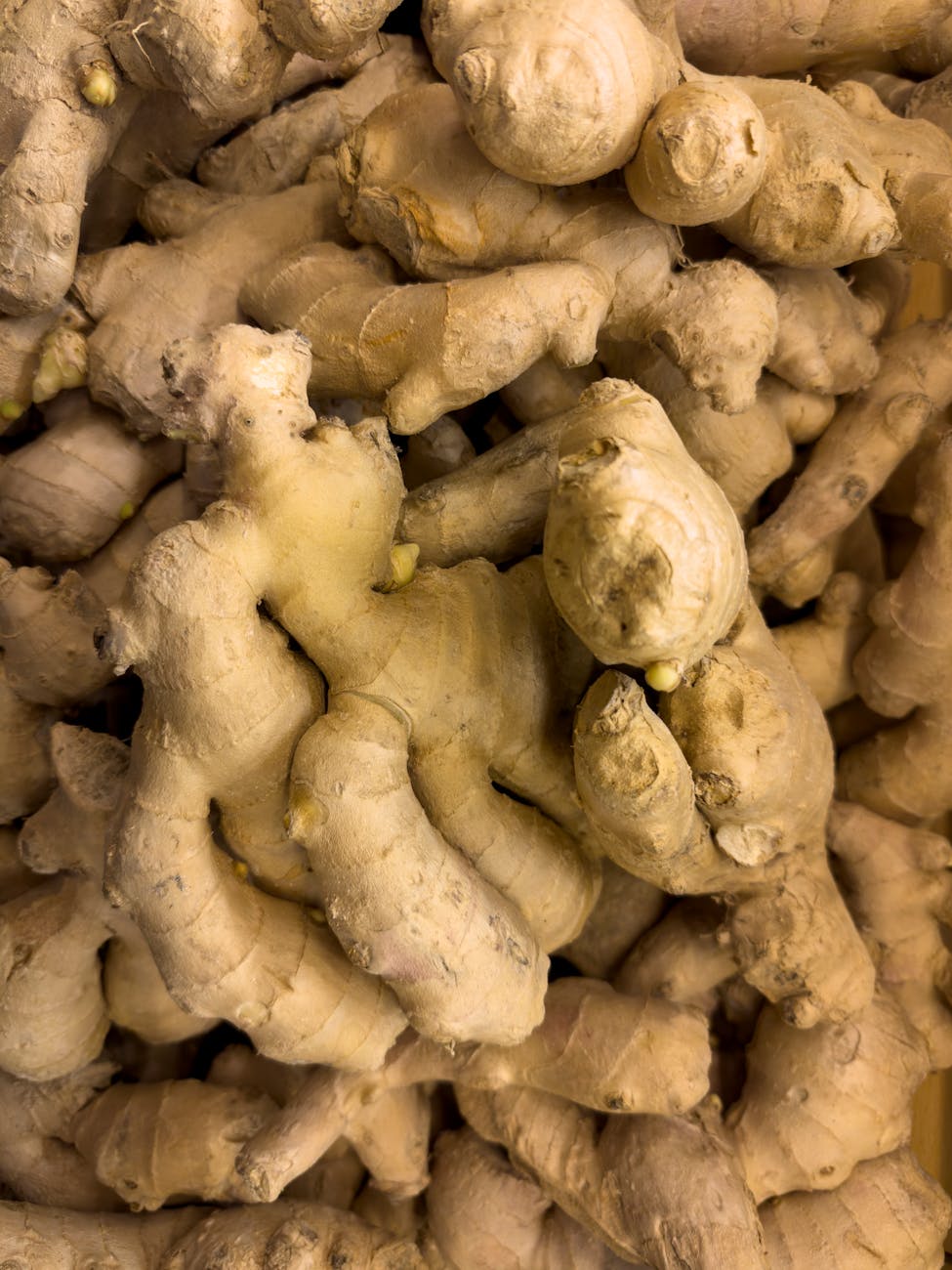
Ginger has been a cornerstone of traditional medicine for centuries, but modern science is finally catching up to why this root is so effective. It isn’t just a flavor enhancer; it is a bioactive tool that addresses several of the most common health challenges we face today—from chronic inflammation to digestive distress.

1. Cooling Chronic Inflammation

Inflammation is the body’s natural defense against injury or infection. However, when it becomes chronic, it acts as a silent driver for serious conditions like arthritis and heart disease. Ginger contains potent compounds called gingerols and shogaols. These act as internal “coolants” by inhibiting the production of pro-inflammatory cytokines, helping to keep the body’s immune response in a healthy balance [1].

2. Natural Relief for Nausea and Pain

One of ginger’s most celebrated benefits is its ability to soothe the digestive system. It effectively blocks the chemical signals in the brain that trigger nausea, making it a reliable remedy for motion sickness and post-treatment recovery [2].

Beyond digestion, those same gingerols offer analgesic (pain-relieving) effects. Studies show that regular ginger consumption can be effective for managing exercise-induced muscle soreness and joint pain [3].

3. Strengthening the Foundations: Immunity and Brain Health

Ginger supports the body’s long-term resilience through:

  • Immune Support: Rich in sesquiterpenes, ginger provides antimicrobial properties that help the body fend off common viruses [4].
  • Cardiovascular Care: By assisting the liver in regulating cholesterol production, ginger helps maintain clearer pathways for heart health [5].
  • Cognitive Protection: Its neuroprotective properties help shield brain cells from oxidative stress, a key factor in maintaining memory and focus as we age [6].

4. Maximizing Your Digestion

Effective digestion is the bedrock of energy. Ginger stimulates the production of vital digestive enzymes, which ensures that the food you eat is broken down and absorbed efficiently. This reduces the likelihood of uncomfortable bloating, gas, and sluggishness after meals [2].


Integration and Safety

Whether used fresh in a smoothie, steeped as a potent tea, or taken in a concentrated supplement, ginger is highly adaptable.

A note of caution: because ginger can have natural blood-thinning properties, it is important to consult with a healthcare professional if you are currently taking anticoagulants or other specific medications.


References

[1] Anti-Inflammatory and Antioxidant Activities of Ginger – IntechOpen

[2] The Effectiveness of Ginger in the Prevention of Nausea and Vomiting – PMC

[3] Clinical Trials on Pain Lowering Effect of Ginger: A Narrative Review – PMC

[4] Ginger for Colds: How to Use Ginger for a Sore Throat – Medical News Today

[5] Plasma Cholesterol-Lowering Activity of Gingerol- and Shogaol-Enriched Extract – ACS Publications

[6] Zingiber officinale Improves Cognitive Function of Healthy Women – PMC
The Myth of “Like Cures Like”: Why Cottage Cheese Actually Fights Cottage Cheese Thighs

We’ve all heard the health “wisdom” that sounds catchy but makes zero sense. “Drink more water to lose water weight!” (True). “Eat fat to burn fat!” (Also true, within reason).

But then, a question popped up in my feed: “If water helps flush out water, and fat helps flush out fat, does cottage cheese help get rid of cottage cheese thighs?”

It sounds like a joke. But biologically speaking, the answer is a resounding YES. Just not because of the name. Let’s look at the “Master Ledger” of why these strategies actually work.

1. Water to Water: The “Flush” is Real

When you’re dehydrated, your body enters “famine mode,” secreting Vasopressin (Antidiuretic Hormone) to cling to every ounce of fluid [1]. This causes the scale to spike and your joints to feel stiff.

  • The Science: Drinking water suppresses Vasopressin and signals the kidneys to excrete excess sodium. Since sodium “pulls” water into the extracellular space, flushing the salt flushes the bloat [2].
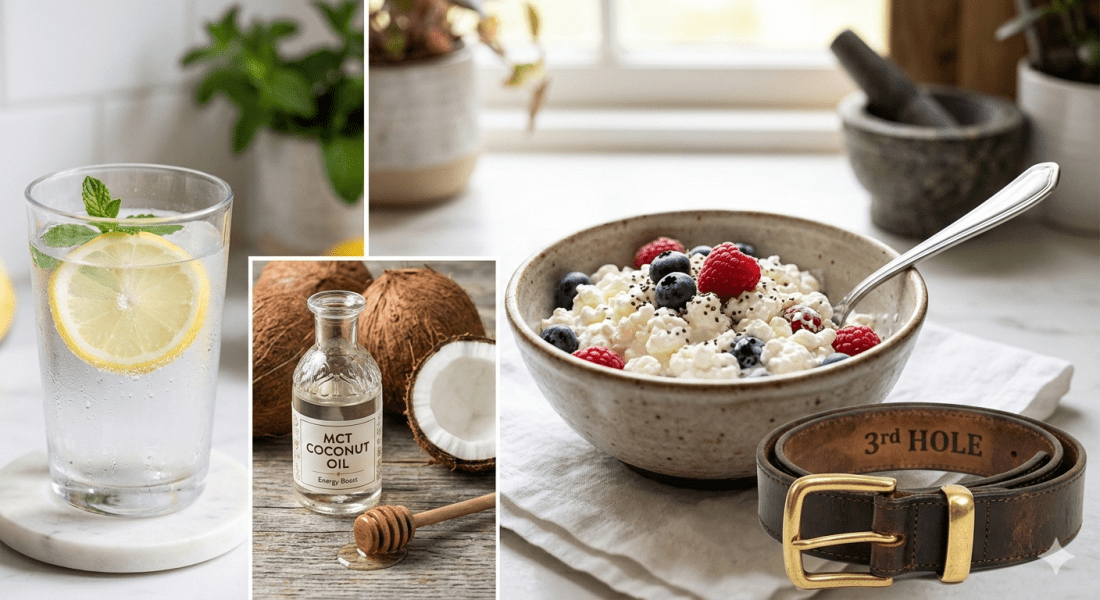
  • The Case Study: After a high-sodium Saturday, my scale hit 158.4 lbs. I didn’t gain 2 lbs of fat overnight; I gained a “Sodium Debt.” Sunday is for 100oz of water to “dilute the vault.”

2. Fat to Fat: The Metabolic Key

We were told for decades that fat makes you fat. The data says otherwise.

  • The Science: Healthy fats—like the MCTs in my “Candy Bar” coffee—promote satiety and thermogenesis. Specifically, Medium-Chain Triglycerides are sent straight to the liver for energy rather than being stored as adipose tissue [3].
  • The “Super You” Move: I use coconut powder to bridge my morning fast. It keeps my insulin low and my brain fueled, allowing my body to continue burning its own stored fat for energy.

3. Cottage Cheese to “Cottage Cheese” Thighs: The Recomposition Revelation

Cellulite (the “cottage cheese” look) isn’t just fat; it’s a structural failure. It happens when fat cells push through a weakened dermal matrix—the “netting” of your skin.

  • Casein Protein: Cottage cheese is 80% Casein, a slow-digesting protein that provides a 6–8 hour “drip” of amino acids to repair muscle and skin [4].
  • The Leucine Trigger: It’s loaded with Leucine, the specific amino acid that triggers Muscle Protein Synthesis (MPS). Clinical trials show that Leucine-rich diets help maintain lean mass while targeting fat loss [5].
  • The Result: Today, my thighs are symmetrical at 24.5″. By building the muscle density underneath and using the amino acids to strengthen the skin “netting,” the surface naturally smooths out.

🛡️ Science vs. Superstition: The “Super You” Sidebar

On social media, people often fall for the Doctrine of Signatures—the ancient belief that foods that look like body parts are meant to heal them (e.g., “Walnuts look like brains”).

The Distinction:

  • The Superstition: Eating cottage cheese because it “looks like” the problem.
  • The Science: Eating it because its Casein and Leucine content are the exact raw materials required to rebuild the dermal matrix and muscle density.

The Final Proof: The Belt Doesn’t Lie

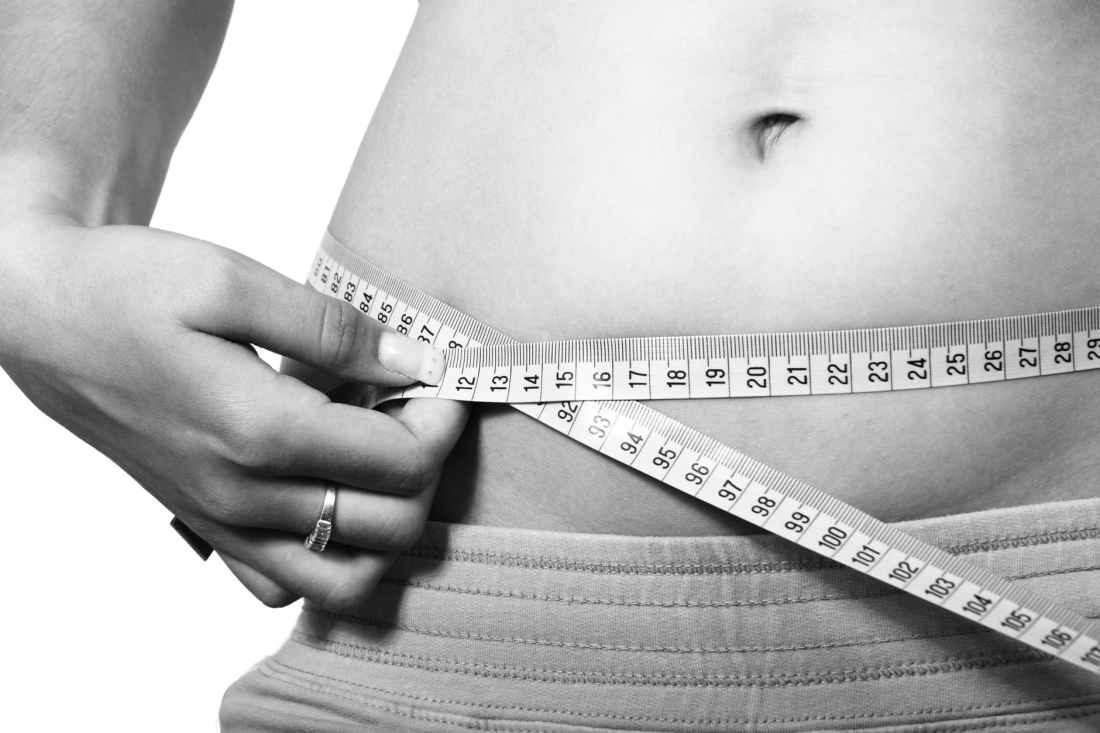
While the scale was “heavy” today at 158.4, I officially hit the 3rd hole on my favorite belt. On January 1st, I could barely fasten the 1st hole. That is 2 inches of real estate gone from my waist while my legs got stronger. That’s not a “diet”—that’s re-engineering the frame.

Stop chasing the number. Start feeding the density.


Sources

[1] Physiology, Vasopressin – StatPearls – NCBI Bookshelf

[2] Vasopressin regulation of renal sodium excretion – James D. Stockand

[3] Weight-loss diet with MCTs leads to greater energy expenditure – PubMed

[4] The Role of Casein Protein in Muscle Protein Synthesis – PMC

[5] Leucine may help to burn fat but spare muscle wastage: Pilot study – Nathan Gray

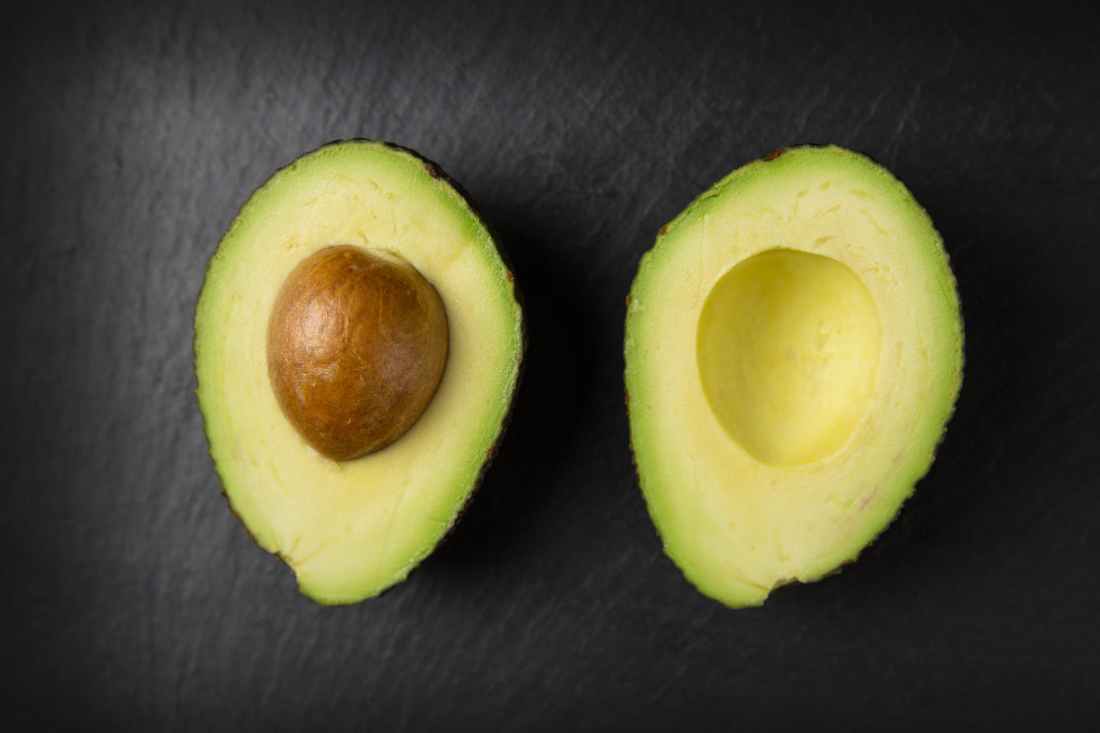
Avocado

The avocado is one of the most nutrient dense foods. They are high in fiber, and are the top of their class for folate, vitamin E, and lutein. They are rich in magnesium, an essential nutrient for healthy bones and cardiovascular health, and in potassium which helps prevent circulatory diseases, regulates blood pressure, and protects against heart disease and stroke.

Avocados are also powerful nutrient boosters! They improve the ability of our bodies to absorb nutrients from other foods This food synergy maximizes absorption so we get the full benefit of what we consume.

  • Add it to a spinach salad with carrots to maximize absorption of beta-carotene and lutein!
  • Add it to salsa and increase the absorption of lycopene and carotenoid phytonutrients!

Even though avocados are high in fat, it’s the good kind, monounsaturated. This kind of fat burns more quickly than saturated fat. It also helps fight obesity by helping you feel full.

And… they’re delicious! A little EVOO a touch of salt, and a little sprinkle of Aleppo or crushed red pepper flakes is all you need for a quick snack, or, try this guacamole recipe..

Here’s a couple other avocado recipes:

~Thanks for reading
LC

Chunky Guacamole

Serves ~12

Ingredients: 

  • 6 large avocados
  • 1 tsp EVOO
  • 2 limes, juice and zest
  •  1/2 tsp your favorite hot sauce
  • 2 TBS minced red onon
  • 1/3 cup cilantro, chopped
  • salt and pepper to taste
  • 3 Roma tomatoes, diced

Method:

  • Halve the avocados and de-seed
  • Score the avocado halves in a cross hatch pattern, then remove from skin with a spoon into a mixing bowl
  • All  the rest of the ingredients, one at a time, until fully mixed
  • Taste, and adjust seasoning
  • Enjoy!


~Thanks for reading
LC

10 Tips to Minimize Food Waste and Save Moolah

I’ve been working in professional kitchens for 25+ years

In that time, I’ve learned a lot about food waste and how to avoid it. The restaurant industry is a nickel and dime business. The cost of waste adds up quickly. We try to do whatever we can to save costs, but not only that, to save food. There are millions, if not billions of people in the world who don’t have enough to eat and it’s reckless, irresponsible, and just downright mean, to throw away food.

I’ve put together a quick post here on some simple ways to re-purpose scraps and food that might not be super fresh, but still good. Also some items you might not have thought were usable at all!

1. Save bones for chicken, beef, or fish stock

2. Bake carrot peels into chips, or make carrot pesto

3. Freeze veg scraps for veggie broth or stock

4. Cook spinach (link to spinach w/ lemon and garlic recipe, posts on 11/30)

5. Composting/Fertilizer

6. Natural Dyes for Easter eggs

7. Turn leftovers into a new meal (tacos, stir fry, casseroles, chicken salad, soup)

8. Save old bread for croutons or breadcrumbs – old flat breads such as pita or tortillas can be baked, fried, or air fried, into chips

9. Turn leftover rice into fried rice

10. Turn overripe brown avocado into flourless and fudgy avocado brownies

Remember, when you cook from scratch you know exactly what is going into your body. Have a happy and healthful life!


~Thanks for reading
LC

Apples

Apples are one of the top five fruits produced in the world and are readily available year round. They’re also delicious! And the magnitude of health benefits they hold makes it seemingly impossible to not eat one every day!

Apples are an abundant source of:

To get the full benefits, wash them well and leave the skin on. That’s where most of the nutrients are. Unpeeled apples have 2-6 times the antioxidant activity as peeled ones.

Apples are extremely versatile in the kitchen! You can eat them raw or cooked, hot or cold, for breakfast, lunch, or dinner… They’re amazing!

Try pairing them with dark chocolate, cheese, or pork. They’re awesome baked with honey, cinnamon, and walnuts!

The fiber in apples can help promote circulatory and heart health, while helping you lose weight by helping you feel fuller, longer.

Vitamin C is a powerful antioxidant and is essential for the development, growth, and repair of your body’s tissues. Antioxidants boost the immune system and protect against free radicals, which are molecules harmful to the body. Vitamin C can’t be produced by the body so it’s important to consume it through fresh fruits and vegetables.

A diet rich in potassium can help prevent osteoporosis, reduce the risk of a stroke, and regulate fluids.

Phytochemicals play a prominent role in the prevention of cancer, cardiovascular disease, strokes, and cognitive decline due to aging.


Try to make apples a daily part of your healthy eating routine!

Thanks for reading ~ LC


Fruits and Veggies to Avoid While Trying to Lose Weight

So, you want to lose belly fat…

While it’s true, whole fruits and veggies are good for you, some are better than others. If you’re trying to lose weight and rid yourself of some extra flab, you’ll want to avoid, or at least keep these to a minimum, and possibly only have them as an occasional indulgence. Especially this one…

  1. Tropical Fruits: This includes pineapple, papaya,mangoes, bananas, and the like. They contain more calories and sugar than other fruits. While they are certainly a better dessert alternative than a slice of key lime pie, they aren’t as effective to weight loss as berries or apples.
  2. Potatoes: The starch found in all varieties of potatoes is what really loads up the calories. Other starchy vegetables that might not be as obvious include carrots, beans, corn, squash, and green peas.
  3. Foods labeled “Fat Free”: Products containing this common statement are notorious for containing excessive amounts of processed sugar. Additionally, some fatty foods can actually help you lose weight by suppressing your appetite, which in turn can cut your daily calorie intake. Olive oil, almond butter, and Greek yogurt are all good “fatty food” choices that can also help you lose weight. To see more, check out Eat This, Not That’s article on8 Fatty Foods That Make You Skinny“.

“Best Diet Tips” also has a really great and informative article on the “Best and Worst Vegetables to Help You Lose Weight“.

In short, the lower the food is on the Glycemic Index, the better they stabilize blood sugar between meals and help to curb your appetite.

Please, become aware of what you are actually putting into your body. Your body will thank you for it.

Thanks for reading ~ LC

Synergy: More Bang for your Buck

Eating whole foods provides a better balance of nutrients than just taking vitamins. The reason is the way the nutrients work together to maximize absorption.

An example of this is the way spinach improves the heath of your eyes.

Spinach contains both lutein and zeaxanthin. These two carotenoids offer a power punch of vision protection. You can increase your macular pigment which helps protect your eyesight within a few weeks just by increasing the amount of spinach you eat.

According to the American Optometric Association both lutein and zeaxanthin working together help to maintain healthy cells in the eyes by filtering high energy blue wavelengths of light, which are harmful to the eyes.

WebMD has an interesting article that can help get you started with research on the perfect food combinations.

And here’s a really handy chart and article to help you find out which foods work best together. Try playing around with some of these. You might even come up with your new favorite recipe!

In the meantime, try this Spinach and Grapefruit salad.. (*hint: The grapefruit helps your body absorb the iron from the spinach!)